

Moving to a new home can feel exciting, but it can also become stressful if things go wrong. Many people run into the same problems simply because they are not fully prepared.
This article goes over the most common moving day mistakes and how to avoid them.
Moving Day Mistakes To Avoid
One of the biggest moving day mistakes people make is underestimating how much planning is actually needed. It is easy to think that packing a few boxes and hiring movers is enough, but moving involves many small details that can quickly add up.
From organizing your belongings to making sure utilities are ready at your new place, every step matters. When these details are ignored, the day can feel rushed, confusing, and overwhelming.
Another common issue is trying to handle everything at once without a clear plan. Without a timeline or checklist, tasks can be forgotten or done in the wrong order, leading to delays and frustration.
Taking the time to prepare ahead of time helps reduce stress and makes the entire process smoother. A well-organized move allows you to focus on settling into your new home instead of dealing with avoidable problems.
Label Boxes Clearly for Easy Unpacking
Failing to label boxes properly is another moving day mistake that can create unnecessary confusion. When boxes are not labeled, it becomes difficult to know where each item belongs, especially when you arrive at your new home.

This can slow down the unloading process and make unpacking take much longer than it should. Clear labels help movers place boxes in the correct rooms, saving you time and effort later.
Using detailed labels can make a big difference in how quickly you settle in. Instead of simply writing “kitchen” or “bedroom,” include a short description of what is inside the box.
You can also use color-coded stickers or markers to organize boxes by room. This small step can turn a chaotic unpacking process into a smooth and efficient one, helping you feel more at home right away.
Pack Early to Avoid Last-Minute Chaos
One of the most common moving day mistakes is waiting too long to start packing. Many people think they can finish packing in just a day or two, but this often leads to rushed decisions and disorganized boxes.
Packing early gives you enough time to sort through your belongings, decide what to keep, and carefully wrap items that need extra protection. It also helps you avoid the stress of scrambling to pack everything at the last minute.
Starting early also allows you to pack in stages, which makes the process much more manageable. You can begin with items you do not use daily, such as seasonal clothing or decorations, and slowly work your way toward everyday essentials.
This approach keeps your home functional while still making steady progress. By the time moving day arrives, most of the hard work is already done, leaving you with a smoother and more controlled experience.
Confirm Details With Your Moving Company
Not confirming arrangements with your movers is one of the more serious moving day mistakes you can make. Miscommunication about timing, pricing, or services can lead to delays or unexpected costs.

It is important to double-check all the details a few days before your move, including the arrival time, the size of the truck, and any special instructions. This ensures everyone is on the same page and reduces the chances of surprises.
Clear communication also helps build trust and prevents last-minute problems. If there are changes to your schedule or special items that need extra care, let your moving company know in advance.
Taking a few minutes to confirm everything can save hours of stress on moving day. It also allows you to focus on the move itself instead of worrying about whether the movers will show up as expected.
Declutter Before Packing to Save Time and Space
A major moving day mistake is packing items you no longer need. Moving is the perfect opportunity to go through your belongings and decide what is worth keeping.
Bringing unnecessary items to your new home only adds to the workload and takes up valuable space. Decluttering before you pack helps you start fresh and makes the entire moving process more efficient.
Reducing the number of items you move can also save money and effort. Fewer boxes mean less time spent packing, loading, and unloading.
You can donate, sell, or recycle items that are no longer useful instead of carrying them with you. This not only simplifies your move but also helps you create a cleaner and more organized living space in your new home.
Protect Fragile Items With Proper Packing Materials
Improperly packing fragile items is one of the most costly moving day mistakes people make. Items like glassware, electronics, and decorations can easily break if they are not packed with care.
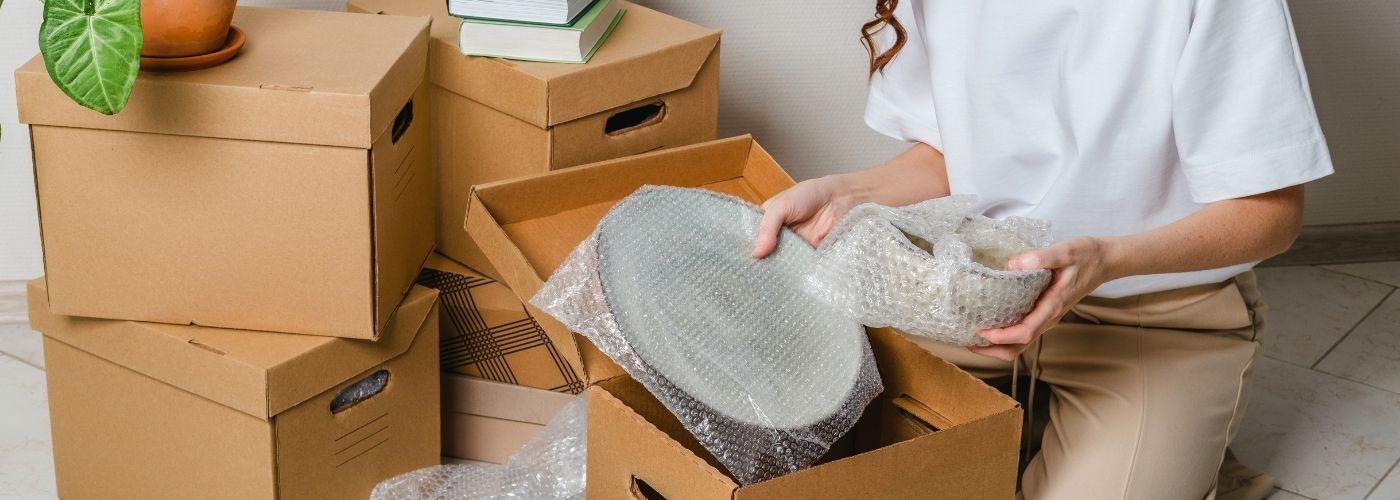
Using the right materials, such as bubble wrap, packing paper, and sturdy boxes, helps protect your belongings during transit. Skipping this step can lead to damage that could have been easily avoided.
Taking extra time to secure delicate items ensures they arrive safely. Wrap each item individually and fill empty spaces in boxes to prevent movement.
Clearly mark these boxes as “fragile” so movers know to handle them with care. While it may take a little longer to pack properly, it provides peace of mind and helps you avoid the disappointment of damaged belongings when you arrive at your new home.