


Books often hold sentimental, educational, and financial value, making them some of the most important belongings to protect during a relocation. This article explains how to move a home library safely, covering practical packing methods, storage tips, and handling techniques that help reduce the risk of damage throughout the moving process.
Ways To Move a Home Library
Planning ahead is one of the best ways to move a home library without creating unnecessary stress. Instead of boxing every shelf at once, organize your collection by category, room, or priority.
This makes unpacking easier later and helps you keep track of valuable or sentimental books throughout the move. Label every box clearly so you know exactly where it belongs when you arrive at your new home.
Taking time to organize your collection before packing can prevent confusion, reduce handling, and help keep your books in excellent condition from start to finish.
Remove bookmarks, loose papers, or fragile inserts before boxing books, since these items can shift or become damaged during transportation.
Creating a simple inventory of valuable editions can also provide peace of mind and help ensure nothing gets misplaced during the move.
Pack Rare and Delicate Editions With Additional Materials
Rare books, first editions, signed copies, and antique collections deserve extra protection when you move a home library.
Unlike everyday hardcover or paperback books, these valuable editions may have fragile bindings, aging pages, or delicate dust jackets that require careful handling.
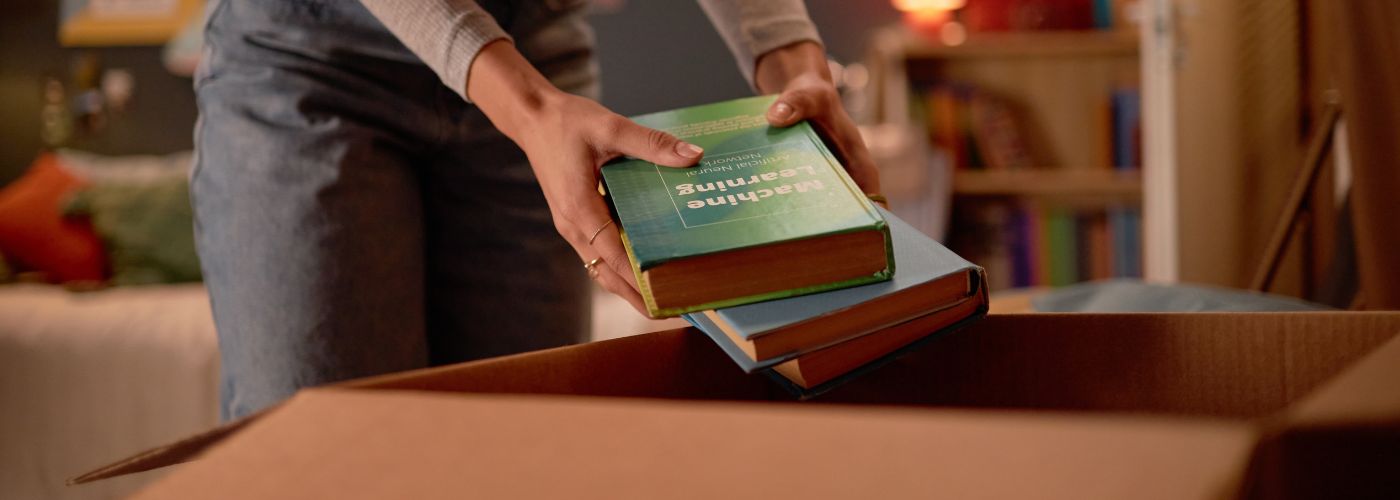
Wrapping each book individually with acid-free paper before placing it into a box provides an extra layer of protection without trapping moisture.
Giving valuable books their own dedicated packing space greatly reduces the chance of bent covers, torn pages, or damaged bindings during transportation.
Add soft padding around the books to limit movement inside the box, but avoid packing materials that place too much pressure on the covers.
Whenever possible, keep rare books upright in their natural position and avoid stacking heavy items on top of them throughout the move.
Use Small Sturdy Boxes to Prevent Excess Weight
Books become surprisingly heavy when packed together, which is why smaller boxes are usually the safest option.
Large boxes may seem more efficient, but they often become difficult to lift and are more likely to break under excessive weight.
Choosing sturdy moving boxes with reinforced bottoms helps support the load while making them easier to carry from room to room.
Keeping every box at a manageable weight protects both your books and the people carrying them.
Place books flat or upright depending on their size, making sure they fit snugly without being forced into place.
Fill any empty spaces with clean packing paper to prevent shifting while the boxes are being loaded into the moving truck.
Store Book Boxes in Climate-Controlled Conditions
If your books will spend any amount of time in storage before reaching their final destination, choosing the right environment becomes extremely important when you move a home library.
High humidity can encourage mold growth, while excessive heat may weaken adhesives used in bindings and cause pages to warp.
Climate-controlled storage units help maintain more stable temperatures and humidity levels that are safer for paper materials.
Consistent temperature and humidity levels help preserve both modern books and older collections for years to come.
Avoid placing book boxes directly on concrete floors where moisture may accumulate over time.
Instead, use pallets or shelving to keep boxes elevated and allow air circulation around your collection while it remains in storage.
Keep Dust and Moisture Away With Proper Wrapping
Even a short move can expose books to dirt, dust, rain, or accidental spills. Wrapping boxes properly before loading them into a moving vehicle provides another layer of protection against outside elements.
Plastic stretch wrap around sealed boxes helps keep moisture away, while heavy-duty packing tape secures every opening to prevent dust from entering during transport.
Simple protective materials can make a significant difference in preserving the appearance and condition of your book collection.
If moving during rainy weather, load book boxes into the truck as quickly as possible and avoid leaving them outdoors for extended periods.
Once they arrive at your new home, unpack them promptly so air can circulate and any trapped humidity can dissipate.
Keep Dust and Moisture Away With Proper Wrapping
After arriving at your new home, avoid rushing to place every book back onto the shelves immediately.
Before unpacking, inspect the shelving units to make sure they are clean, dry, level, and sturdy enough to support the weight of your collection.
Wiping down shelves before replacing books helps prevent dust from transferring directly onto freshly moved volumes.
Taking a little extra time during unpacking helps maintain the condition of your collection long after the move is complete.
Arrange books carefully rather than forcing them tightly together, allowing enough space for easy removal without placing stress on the bindings.
Once everything has been unpacked, check valuable editions individually to ensure they arrived safely and continue storing them in a clean, stable indoor environment.