

Moving fitness equipment can be challenging because many machines are heavy, bulky, and made with delicate components that can be damaged during transport. Whether relocating a home gym or transferring equipment to a new fitness facility, proper planning and handling techniques can help prevent injuries and costly repairs.
This article goes over the most important steps to take when learning how to move gym equipment safely and efficiently.
How to Move Gym Equipment Efficiently
Understanding how to move gym equipment starts with creating a detailed moving plan before any lifting begins. Take time to evaluate the size, weight, and shape of every piece of equipment in your gym.
Measure doorways, hallways, staircases, and loading areas to ensure there is enough clearance for each machine. Planning the route ahead of time helps reduce delays and minimizes the risk of damaging walls, floors, or the equipment itself.
Careful preparation before moving day can save significant time, reduce physical strain, and help prevent expensive accidents.
Gather the necessary moving supplies, including straps, furniture blankets, dollies, and tools for disassembly. Organizing these items beforehand allows the moving process to proceed smoothly while keeping everyone involved safe and focused.
Use Dollies to Move Heavy Machines
Using proper moving equipment is essential when learning how to move gym equipment safely.
Heavy-duty dollies can significantly reduce the amount of lifting required and make transporting bulky machines much more manageable. Attempting to carry heavy gym equipment without assistance can increase the risk of injuries and damage to floors.
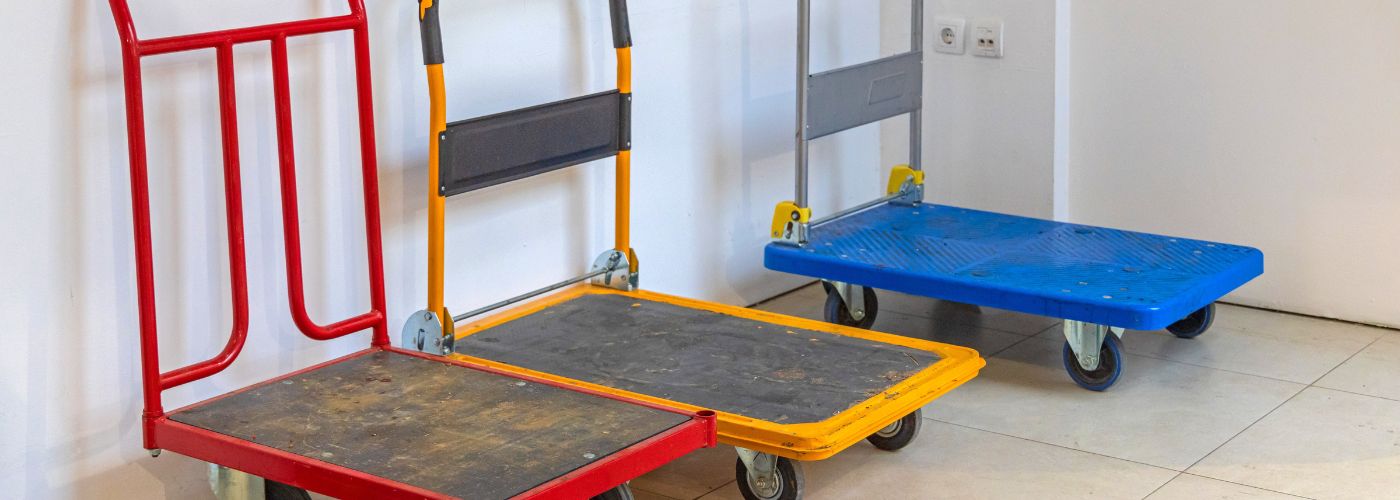
Position the machine securely on the dolly and use moving straps to keep it stable while in motion. Move slowly, especially when navigating corners, ramps, or uneven surfaces.
Properly securing equipment to a dolly helps maintain balance and prevents sudden shifts that could lead to accidents. When moving particularly heavy items, assign spotters to guide the movement and monitor for potential hazards along the route.
Disassemble Large Equipment Before Transport
One of the most important steps in how to move gym equipment is taking apart large machines whenever possible. Treadmills, elliptical machines, cable systems, and multi-station gyms often contain removable components that make transportation easier.
Separating these sections reduces overall weight and allows the equipment to fit through tight spaces more easily.
Before disassembling anything, review the manufacturer’s instructions or owner’s manual. Keep all bolts, screws, and hardware in labeled bags so reassembly is simple later.
Taking extra time to carefully remove and organize parts can prevent confusion and missing hardware when setting the equipment back up. Wrapping detached pieces in protective materials also helps prevent scratches and dents during transport.
Secure Loose Components to Prevent Damage
Another important part of how to move gym equipment involves protecting loose parts before transportation.
Adjustable seats, handles, cords, weight pins, and electronic components can shift during transit if they are not properly secured. Movement inside a truck or trailer can cause these items to become damaged or create damage to other equipment nearby.
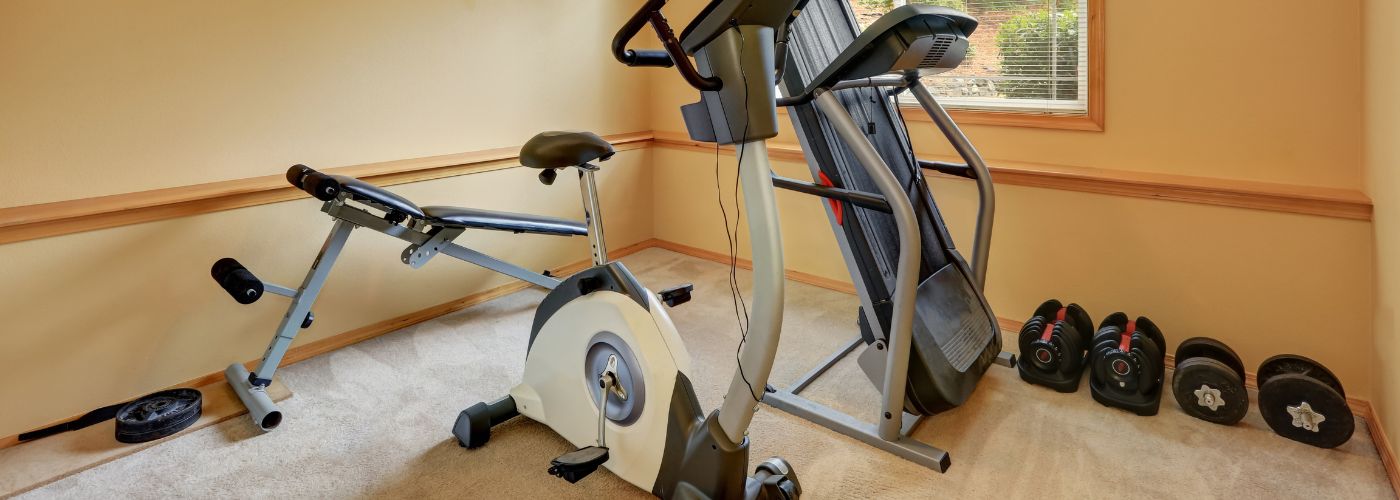
Use packing tape, zip ties, moving blankets, and protective wrapping materials to keep components in place. Electronic displays should be covered with padding to avoid cracks or scratches.
Small parts often suffer the most damage during a move because they are overlooked or improperly secured. Taking time to protect these vulnerable areas can help ensure the equipment arrives in excellent condition.
Coordinate Team Lifting to Reduce Injury Risks
For many situations involving how to move gym equipment, teamwork plays a major role in maintaining safety. Large machines often require multiple people to lift, stabilize, and maneuver them through difficult spaces.
Trying to move oversized equipment alone can place excessive strain on the back, shoulders, and knees.
Before lifting, establish clear communication among everyone involved. Designate one person to give instructions and coordinate movements. Lift with your legs rather than your back and move slowly to maintain control.
Clear communication during lifting reduces confusion and helps everyone react quickly to unexpected challenges. If an item feels too heavy or unstable, stop immediately and reassess the moving strategy rather than forcing the lift.
Remove Weight Plates and Accessories Before Lifting
A critical step in how to move gym equipment is removing any detachable weight plates, dumbbells, attachments, or accessories before attempting to lift or transport a machine.
Extra weight increases the difficulty of moving equipment and can make machines unstable during transport. Removing these items creates a safer and more manageable load.
Store weight plates and accessories in separate containers or boxes to keep them organized and protected. This also prevents them from shifting and causing damage inside the moving vehicle.
Reducing unnecessary weight before lifting improves control, lowers the risk of injury, and makes transportation much more efficient.
Once everything arrives at the new location, the accessories can be reattached after the equipment has been properly positioned and assembled.