

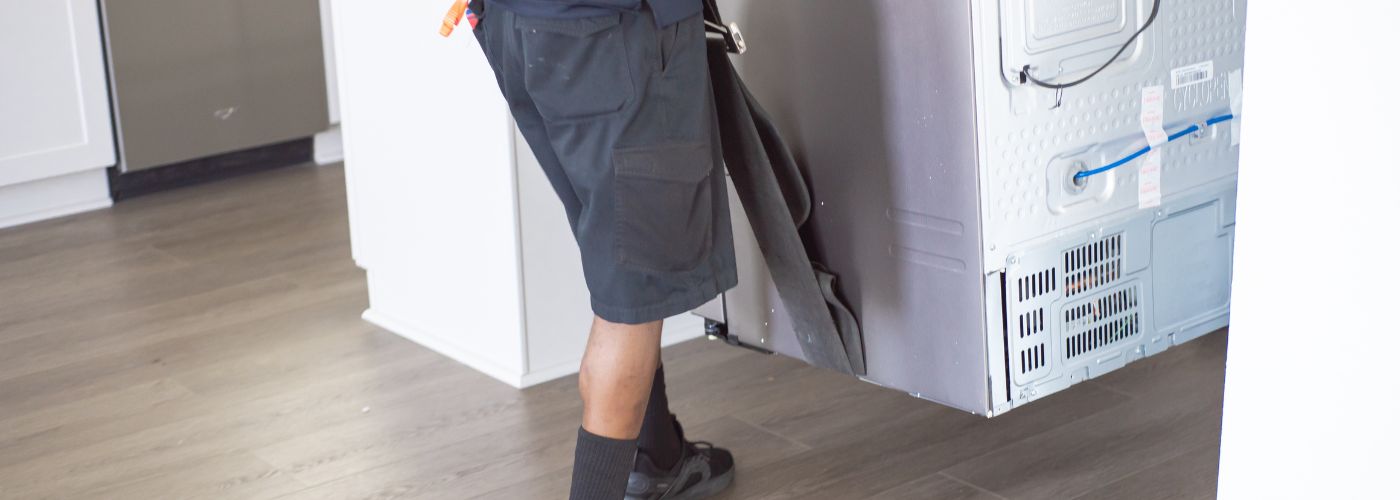
Moving heavy furniture through small hallways and narrow staircases can feel overwhelming. Many homes and apartments were not designed with oversized sofas and large appliances in mind. This article goes over the issues and offers simple, practical advice to make the process safer and easier.
Best Ways For Moving Large Items In Tight Spaces
When it comes to moving large items in tight spaces, planning is the most important step. Before lifting anything, take time to measure doorways, hallways, stairwells, and the items you plan to move.
Compare the dimensions and look for potential problem areas such as sharp turns, low ceilings, or narrow landings.
Careful measurements and a clear plan can prevent damage to your furniture, walls, and floors. It also helps you decide whether you need extra tools or more people to help.
Another smart step is to clear the entire path before you begin. Remove rugs that could cause slipping, move small tables out of the way, and protect walls with blankets or padding. Communication is also key when working with a partner.
Talk through each step before lifting and move slowly together. Rushing is one of the biggest reasons items get scratched, dropped, or broken. Taking your time allows you to adjust your grip and position as needed.
Disassemble Large Furniture to Reduce Bulk
One of the most effective ways to make moving large items in tight spaces easier is to take furniture apart whenever possible. Many large pieces, such as bed frames, dining tables, and sectional sofas, are designed to be disassembled.
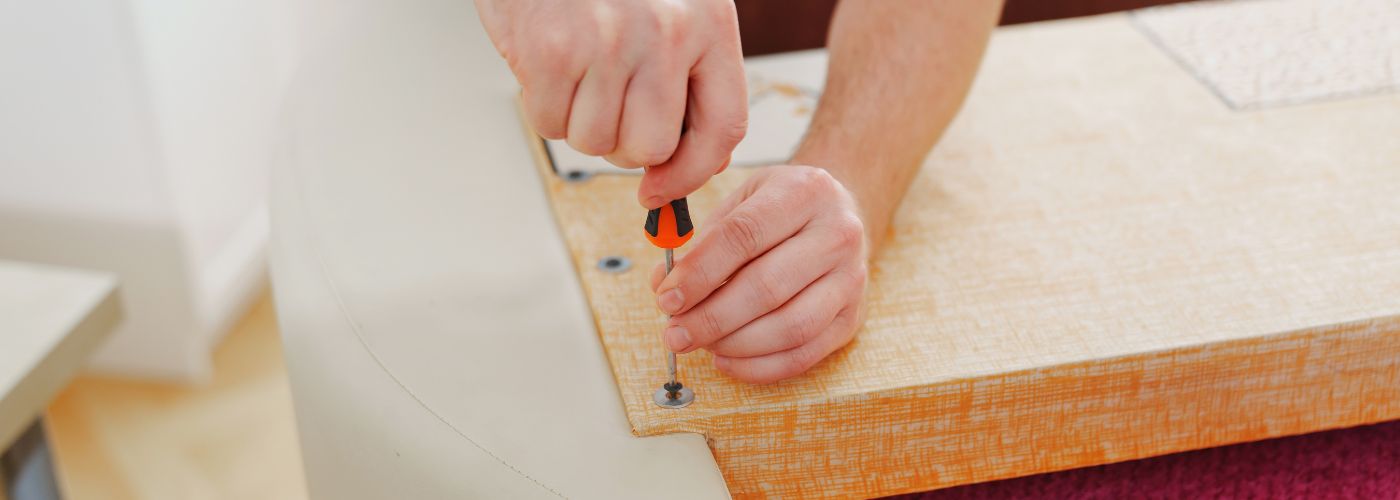
Removing legs, shelves, cushions, and detachable parts reduces both weight and size. Breaking down furniture into smaller sections can turn an impossible task into a manageable one.
Keep all screws, bolts, and small hardware in labeled bags so nothing gets lost during the move. It is also helpful to take pictures before you take furniture apart, so you can remember how to reassemble it later.
If you have the original assembly instructions, keep them close by.
Disassembling may take extra time at the start, but it can save you from struggling in a narrow hallway or damaging a wall when trying to force a bulky item through a tight turn.
Tilt and Rotate Items to Clear Tight Staircases
Understanding angles is essential when moving large items in tight spaces, especially on staircases. Instead of trying to carry an item straight up or down, experiment with tilting and rotating it.
Couches, mattresses, and tall dressers often fit better when held upright or at a slight angle. Changing the angle of an item can create just enough clearance to pass through narrow staircases and sharp corners.
Before you begin, study the staircase layout. Look for handrails, light fixtures, or ceiling slopes that could get in the way. Move one step at a time and communicate clearly with your partner about when to tilt or rotate.
Keep your back straight and lift with your legs to avoid injury. If the item feels unstable at any point, stop and reset your grip. Small adjustments can make a big difference in getting safely through tight spots.
Remove Doors and Hinges to Create Extra Clearance
Sometimes just an inch or two of extra space can make all the difference when moving large items in tight spaces. Removing doors from their hinges is a simple way to gain that extra clearance.
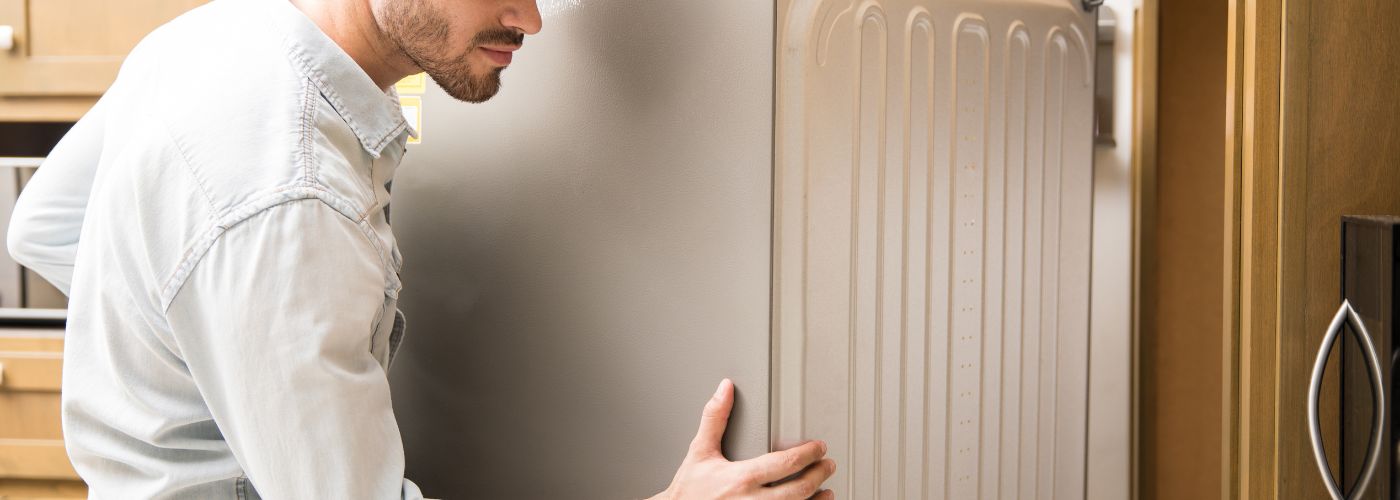
Most interior doors can be taken off quickly by removing the hinge pins. This creates more room without causing permanent changes to your home.
After removing the door, store it safely away from the moving path to avoid scratches or dents. You may also consider removing door stops or hardware that sticks out. Even small obstacles can block a large item from fitting through a doorway.
Once the move is complete, reinstall the doors carefully and check that they open and close properly. This extra step can prevent unnecessary force and reduce the risk of damaging both your furniture and your home.
Lead With the Heaviest End in Narrow Passages
Weight distribution matters more than many people realize when moving large items in tight spaces. Most heavy furniture pieces are not evenly balanced.
For example, refrigerators, washing machines, and large cabinets often have one side that is heavier due to motors or solid frames. Identifying the heavier end before lifting allows you to plan your positioning.
In narrow passages, it is often easier to lead with the heavier end. This gives the person at the bottom more control and stability. Proper positioning reduces strain on your arms and lowers the risk of dropping the item.
Always keep the load close to your body and avoid twisting your torso while carrying it. If the weight feels uneven or too heavy, do not hesitate to ask for additional help. Safety should always come first over speed.
Use A Dolly Designed for Staircases and Landings
Specialized tools can greatly simplify the process of moving large items in tight spaces. A stair-climbing dolly is designed to handle steps and uneven surfaces more safely than a standard hand truck.
These dollies often have rotating wheels or tracks that grip each step as you move up or down. This reduces the amount of lifting required and lowers the strain on your back and shoulders.
Before using a dolly, secure the item tightly with straps to prevent shifting during transport. Move slowly and keep a firm grip on the handles at all times. It is also helpful to have a second person guide the item from the opposite end.
Using the right equipment not only protects your belongings but also protects you from serious injury. Investing in or renting proper moving tools can save time, effort, and costly damage in the long run.