


Moving oversized furniture and heavy household items can quickly lead to scratches, dents, chipped paint, and damaged flooring when the proper steps are not taken. Planning ahead and using the right equipment can make the process much safer for both your home and your belongings.
This article goes over practical ways to protect your walls, floors, and furniture during a move.
Ways To Move Large Items Without Damaging Walls or Floors
Learning how to move large items without damaging walls or floors starts with preparation and patience. Many people rush through moving tasks and end up leaving marks on hardwood floors, tearing carpet fibers, or scraping walls while turning corners.
Taking extra time to prepare before lifting heavy furniture can help prevent expensive repairs and unnecessary damage inside the home. Even simple actions like laying down protective coverings or removing obstacles can make a major difference during the moving process.
Heavy furniture and appliances place a lot of pressure on surfaces, especially when dragged incorrectly across the floor. Sharp corners and uneven weight distribution can also cause accidental impacts against walls and door frames. Instead of relying only on strength, focus on using techniques that reduce friction and improve control.
Careful handling helps protect your property while also lowering the risk of personal injury during the move.
Wrap Edges and Corners With Protective Padding
Protective padding is another important method to move large items without damaging walls or floors during a relocation project. Large furniture often has hard edges, metal corners, or sharp surfaces that can easily leave marks on walls and trim.
Wrapping these areas with moving blankets, foam padding, or thick towels creates a protective barrier that absorbs impacts. Even a lightweight contact against an unprotected wall can leave visible dents, chipped paint, or damaged trim.
Padding also protects the furniture itself from scratches and damage while it is being carried or loaded. Secure the protective materials with tape or stretch wrap so they stay in place throughout the move.
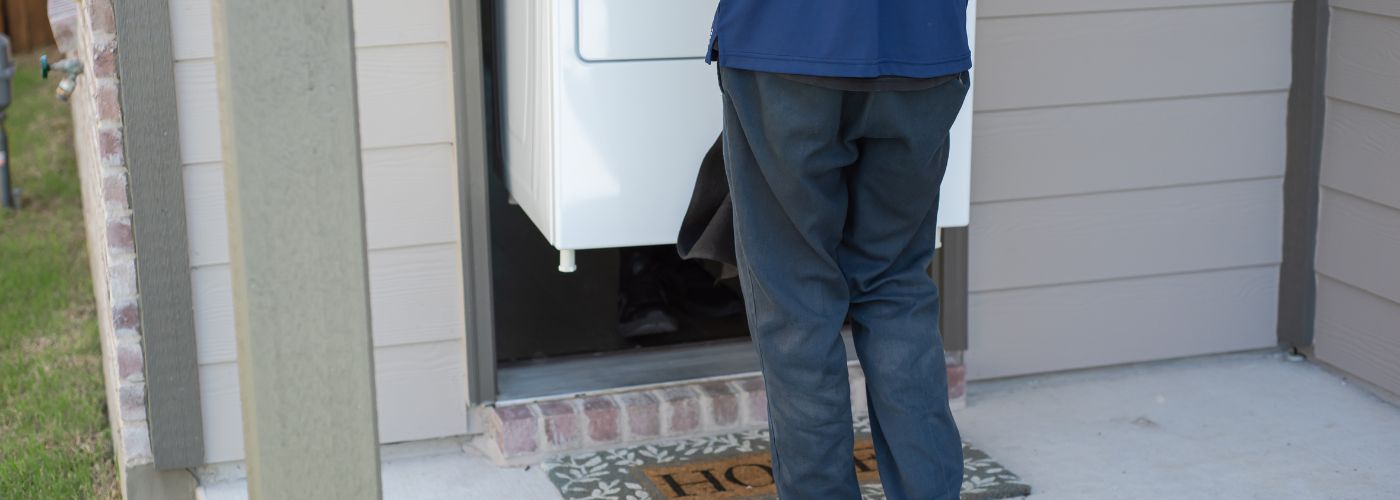
When carrying oversized pieces through doorways, communicate clearly with anyone helping so sudden turns or shifts do not cause collisions. Soft protective coverings give movers more confidence when navigating tight spaces and help reduce stress during the process.
Use Furniture Sliders to Glide Items Across Floors
One of the easiest ways to move large items without damaging walls or floors is by using furniture sliders underneath heavy objects. These sliders are designed to reduce friction and allow furniture to glide smoothly across surfaces instead of scraping or dragging.
Furniture sliders make it easier to control oversized items while helping protect hardwood, tile, laminate, and carpeted floors from scratches. By lifting each corner slightly and placing sliders underneath, large furniture pieces can move with much less force and pressure.
Furniture sliders help prevent deep scratches and floor dents that often happen when items are pushed directly against the surface. They also provide better control when maneuvering bulky pieces through tight spaces or around corners. Instead of making sudden movements, move slowly and keep the item balanced while sliding it forward.
This approach helps reduce accidental wall contact and minimizes the chance of losing control of the furniture during transport.
Disassemble Large Pieces Before Moving Them
A smart way to move large items without damaging walls or floors is by taking apart oversized furniture whenever possible. Large couches, bed frames, tables, and shelving units become much easier to carry once separated into smaller sections.
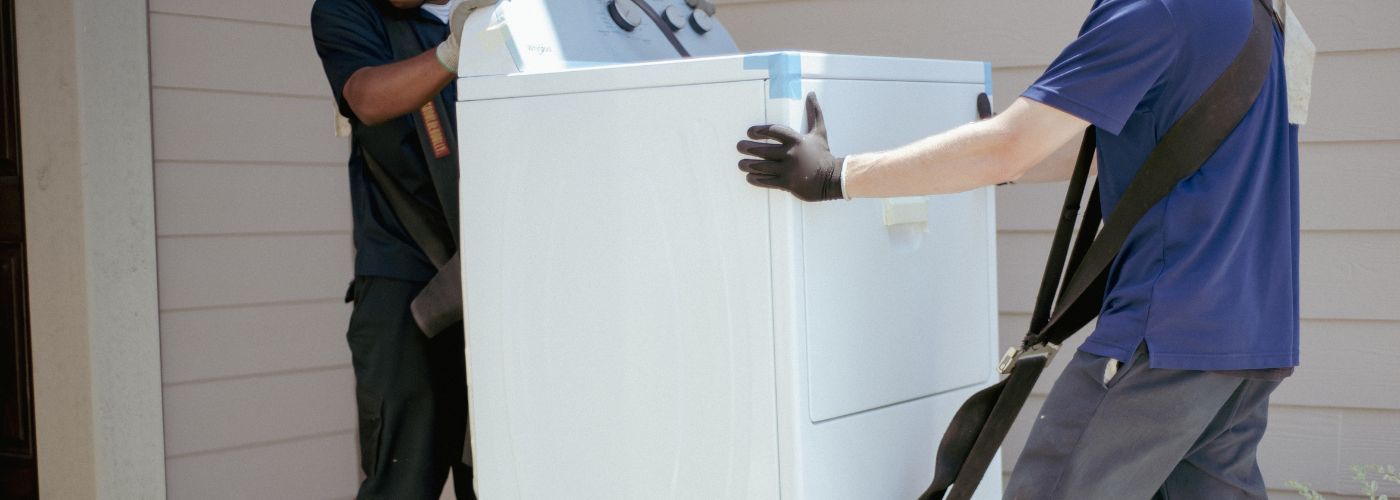
Removing legs, shelves, cushions, or detachable parts lowers the overall weight and makes furniture easier to maneuver through narrow hallways and staircases. Breaking large furniture into smaller pieces reduces awkward movements that often lead to accidental wall and floor damage.
Disassembling furniture improves visibility and allows movers to maintain better balance while carrying items. Keep screws, bolts, and small hardware parts in labeled bags so reassembly is easier later.
It is also helpful to take photos before disassembly to remember how everything fits together. By reducing the size and weight of large furniture, movers can avoid awkward movements that often lead to floor scratches and wall damage.
Create Clear Pathways to Avoid Accidental Impacts
Preparing a clean and open route is essential to move large items without damaging walls or floors safely inside a home or building. Cluttered walkways create unnecessary hazards and increase the chances of bumping into walls or dropping furniture unexpectedly.
Before lifting anything heavy, remove rugs, decorations, plants, small tables, and any obstacles that may get in the way. Clear pathways allow movers to focus on carrying furniture safely instead of worrying about obstacles and tight spaces.
Good lighting also plays an important role when moving bulky items through hallways or staircases. If visibility is poor, movers may misjudge distances and accidentally hit walls or door frames.
Protect vulnerable areas by placing corner guards or temporary coverings on walls in tight spaces. A carefully planned path reduces confusion, improves communication between movers, and allows furniture to move through the home with fewer risks.
Use Dollies to Transport Heavy Items Smoothly
Using a dolly is one of the most effective strategies to move large items without damaging walls or floors while reducing physical strain. Dollies are designed to support heavy loads and distribute weight evenly, making it easier to move appliances, furniture, and large boxes safely. Instead of dragging items directly across flooring surfaces, a dolly keeps the object elevated and rolling smoothly.
Using the proper dolly can reduce strain on both the movers and the flooring during heavy lifting tasks.
Different types of dollies work better for different tasks, so choose the correct equipment based on the item being moved. Appliance dollies with straps help secure tall and heavy objects, while flat furniture dollies are useful for large pieces with balanced weight.
Always move slowly and keep the load stable while navigating corners or uneven surfaces. Proper dolly use not only protects the home but also improves safety by reducing lifting strain and minimizing the risk of accidents.